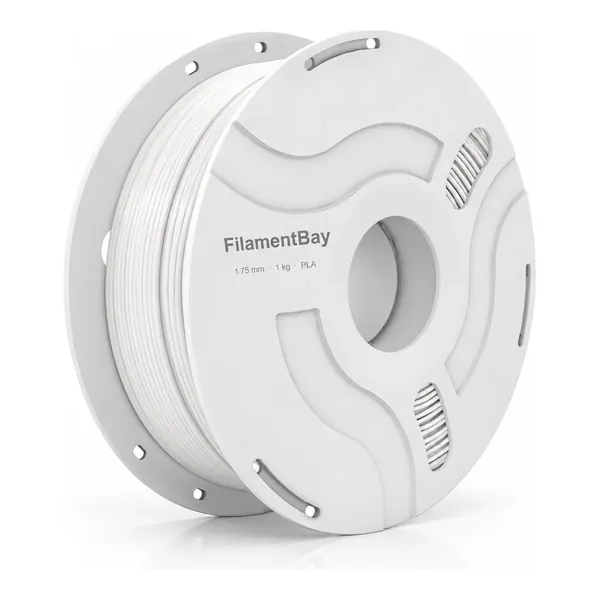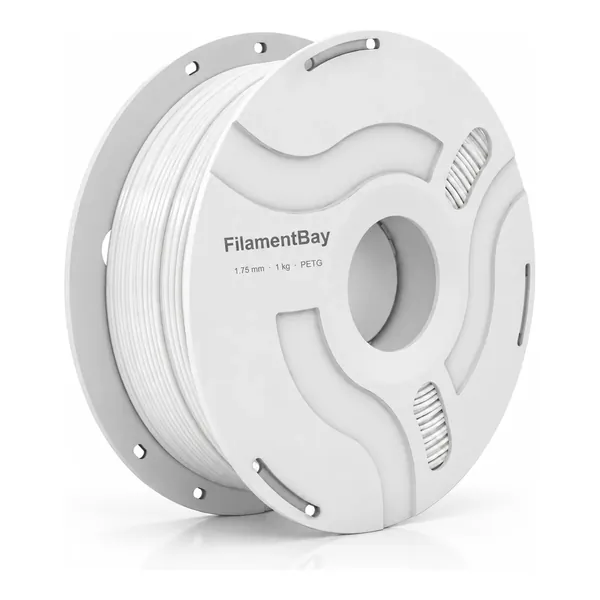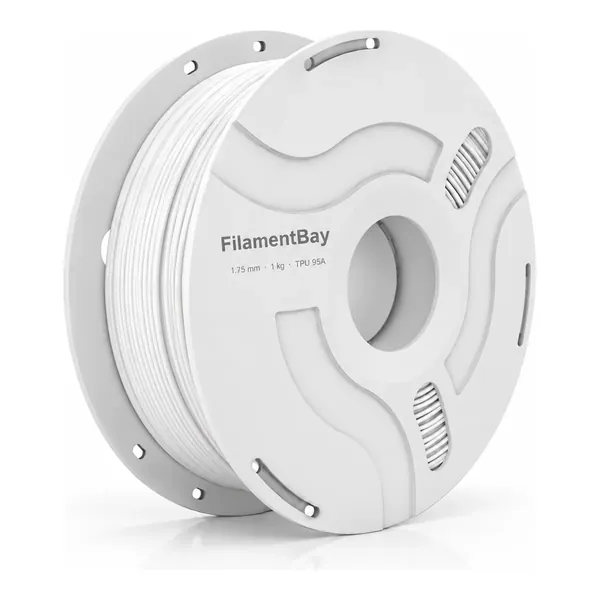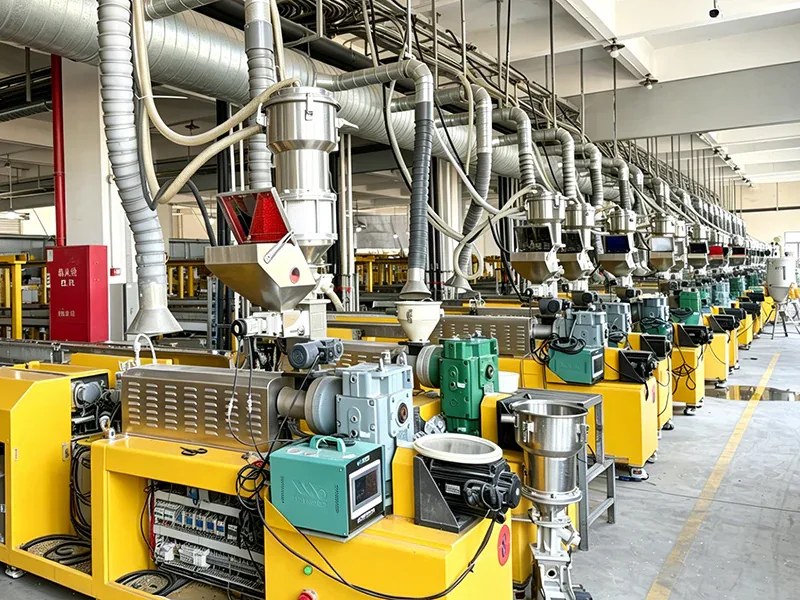
Illustrative imagery; not a record of a material validation test.
Qualifying a new filament batch: a print-farm acceptance checklist
- Identify the lot and write acceptance limits before printing the sample.
- Compare against a retained reference with the same machine, process and conditioning record.
- Record release, quarantine or escalation explicitly; a workshop checklist is not a quality certificate.
Receive the batch with a traceable identity
Assign a receiving record before distributing spools around the farm. Capture supplier, purchase reference, grade, color, nominal diameter, spool identifiers, stated lot and arrival date. Photograph labels and packaging condition. If a lot code is absent, record that absence and ask the supplier; do not manufacture a lot identity from the shipment date.
Request available documents and check which grade, SKU, revision and lot they cover. Polymaker’s document directory shows why scope matters: some reports are SKU-specific. A document for another product cannot release this shipment. Prusament describes its own production measurements and traceability; that is an external example, not proof that FilamentBay uses the same equipment or controls.
Define the reference and limits before testing
Retain an accepted spool or sample with its label, storage history and approved project. Record drying equipment, actual schedule and time exposed before both reference and incoming prints; follow grade-specific guidance. Comparing a recently dried reference with an undocumented incoming spool leaves a conditioning difference unresolved.
Write the acceptance question for each job: allowable dimensional range, approved color reference under specified lighting, required fit or a defined functional check. Use numerical tolerances where relevant and assign who can approve them. Choose the sample count and spool selection with the process owner according to the consequence of failure. This proposed workflow supplies no certified sampling plan or universal thresholds.
Run checks that answer a release question
Use the same printer, nozzle condition, slicer project, orientation and inspection method for reference and incoming material. Do not silently tune only the incoming batch; record any change and decide whether it needs a separate qualification. The table is an original receiving worksheet, not a report of measured FilamentBay batch results.
| Check | Record | Acceptance basis |
|---|---|---|
| Identity and packaging | Labels, lot and damage photos | Purchase specification matches |
| Diameter spot checks | Tool, method, positions and readings | Agreed range; not whole-spool proof |
| Color and surface | Reference, light and sample orientation | Approved reference and stated tolerance |
| Fit or function | Coupon/part revision, fixture and outcome | Prewritten application criterion |
| Conditioning and feed | Drying history and feed observations | Documented preparation and stable delivery |
Release, quarantine or escalate with the evidence
Release only the identified scope that passed the agreed checks, and label where its record is stored. Keep mixed or untraceable lots separate. Quarantine material when a required check fails or its acceptance evidence is missing. A spot diameter check cannot establish an entire spool’s distribution; avoid turning a few readings into a claimed defect rate.
Escalate with receiving records, sample project, conditioning history, reference comparison and failed criterion. Retain a sample and log the resolution. The cover is a supplier-brochure factory image, not batch-quality proof. Use the farm cost guide for economics; estimated cost cannot replace release checks.
Sources and limits
- Prusament: How it is made — Their production and traceability example; no equivalent FilamentBay controls implied. Reviewed 2026-10-23.
- Polymaker: Certifications and Declarations — Document availability and scope, including SKU-specific reports. Reviewed 2026-10-23.
- FilamentBay evidence register — Supplier-source, batch-report and factory-image limitations. Reviewed 2026-10-23.
- FilamentBay: Print farm filament cost — Related economic-planning scope; not a batch acceptance method. Reviewed 2026-10-23.
Compare all material grades · Profile validation status · Evidence register
Revision record
: Initial publication: added receiving identity, retained-reference checks, predefined acceptance criteria and recorded release/quarantine decisions.