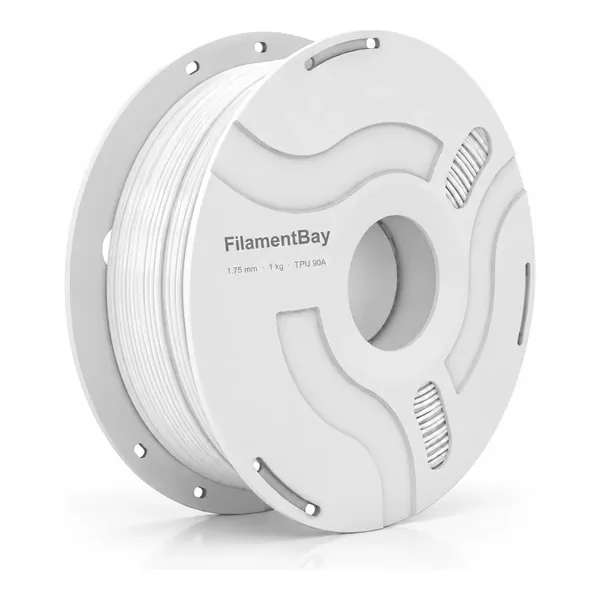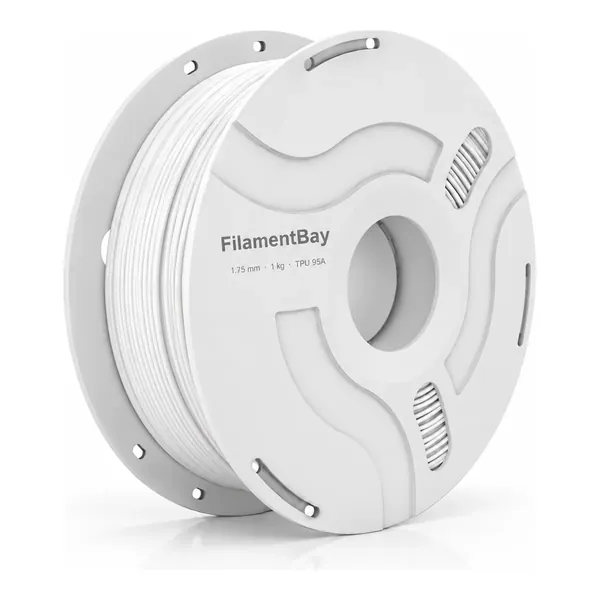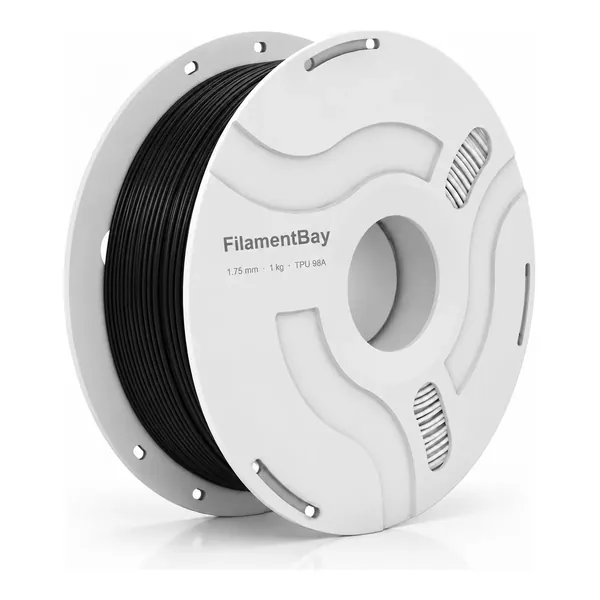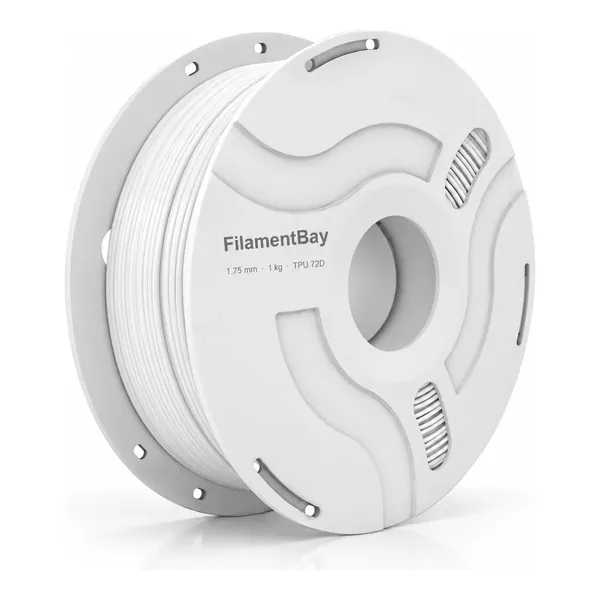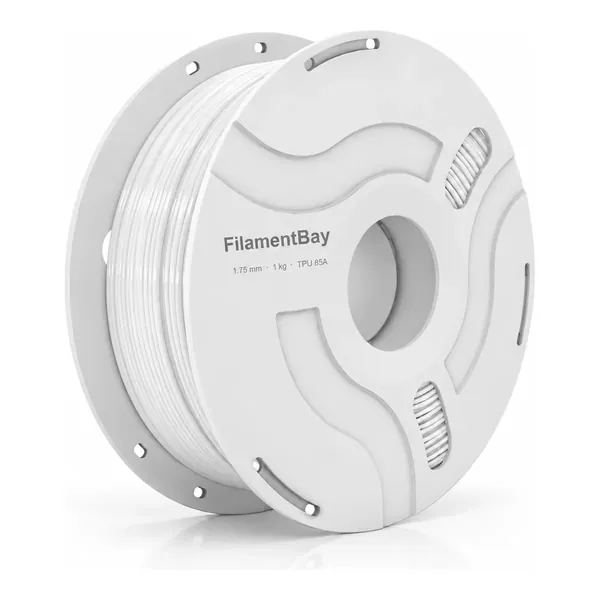
TPU 85A Filament
Explore for headphone cushions · wearables and straps
$29.99 / 1 kg · 1.75 mm
Stock confirmation required
External spool
4+ ≈ $26.39 / spool
2 colors - White
- Black
Flexible series · the full ladder
TPU is thermoplastic polyurethane, a family of thermoplastic elastomers. Choose a hardness for the way your part must flex, then check the feed path and validate a sample. A brochure material value does not establish the performance of your printed design.
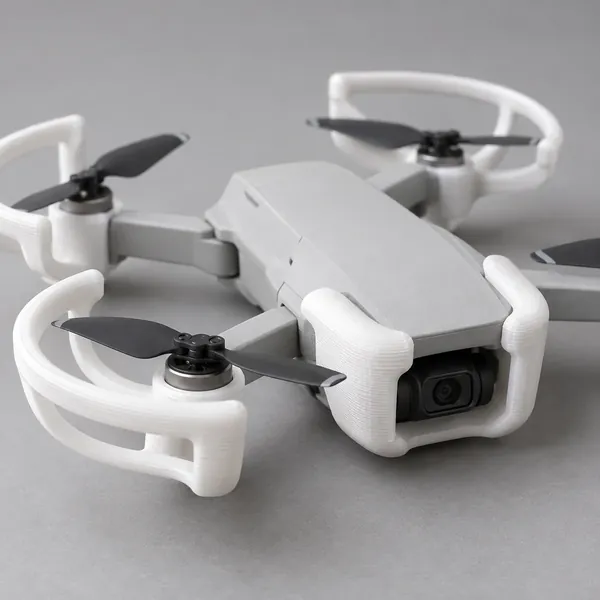
Application imagery is illustrative, not a record of print testing. Updated 2026-09-08 by the FilamentBay Materials Team.
Shore hardness is resistance to indentation. The A and D scales use different test conditions, so do not subtract 72D from 95A or convert them with a simple ratio. Within our A grades, increasing the number means a harder nominal material.
A thin wall in a harder grade can bend more easily than a thick wall in a softer grade. Supplier brochure tensile and elongation numbers describe material specimens; they do not promise the same result across FDM layers. Use the evidence register before designing to a number.
These are starting candidates for a fit-and-flex trial, not tested end-use approvals. Direct drive reduces the unsupported path but does not guarantee feeding.
| Grade | Trial application | Feed-path starting point | Bambu feeder |
|---|---|---|---|
| 85A | Soft contact pad | Direct drive recommended | External spool |
| 90A | Flexible grip | Direct drive recommended | External spool |
| 95A | Case or bumper | Direct drive; trial Bowden cautiously | External spool |
| 98A | Firmer flexing part | Check extruder support and friction | External spool |
| 72D | Firm protective shell | Check extruder and temperature limits | AMS lite only; external on full-size AMS |
This is a proposed troubleshooting sequence, not a set of results from a FilamentBay trial. Stop if the extruder repeatedly grinds or the part cannot release safely.
| Symptom | Check first | Change one thing | Acceptance check |
|---|---|---|---|
| Popping or bubbly walls | Drying/storage history; contamination | Condition the spool using grade and spool guidance | Repeat coupon: fewer bubbles with stable extrusion |
| Fine strings, steady extrusion | Nozzle cleanliness; moisture; travel path | Test a small temperature change within permitted range, then retraction | Fewer strings without missing material after travel |
| Clicking, flattened filament | Spool drag; idler pressure; unsupported feed path | Remove drag or lower flow demand | No repeated skips; continuous wall |
| Gaps after travel | Excessive retraction or slow restart | Return toward printer baseline retraction | Wall restarts close without large gaps |
| Weak layers | Under-extrusion; temperature; orientation | Correct flow first, then test temperature or cooling | Repeat same bend/load screen without earlier separation |
| Part tears on removal | Surface compatibility and release method | Use sheet-maker recommended separator or surface | Cooled coupon releases without damage |
Use the full printing guide for the baseline, flow calculation and record to save.
Record grade, color/batch, time since opening, dryer model, selected setting, measured chamber temperature if available and spool construction. Check the manufacturer’s maximum temperature for both filament and spool. A displayed dryer temperature may differ from the air at the spool.
Choose conditions supported for that grade. Keep airflow and placement consistent. After conditioning, print the baseline coupon with the same slicer project. Record improvement, no change or deterioration instead of assuming success because the timer finished.
If there is no improvement, check the temperature actually achieved and reconsider the diagnosis. Do not repeatedly raise heat without a supported limit. Where no grade-specific instruction is available, ask for it before proceeding.
The drying guide explains material-specific gaps, endpoints and storage.
Follow the build-sheet manufacturer’s TPU instructions. Some material/surface combinations bond strongly enough to need a separator. Run a small first-layer coupon and allow it to cool before evaluating release.
If the part tears or damages the coating, stop and change to a recommended surface or release method. Do not use a universal no-glue rule for both smooth and textured sheets.
Bambu’s AMS lite guidance includes harder TPU while excluding soft grades. We interpret that as supporting 72D as a candidate for AMS lite, with a feed trial; it is not a product-specific Bambu endorsement. Our 85A–98A grades use an external spool. On full-size AMS, use the external holder for all our TPU grades.
Use external feeding for our wood and composite grades unless compatibility is established for the exact feeder. A rigid spool that fits can still carry a filament unsuitable for the path. A feeder-compatible polymer can also require bed or enclosure conditions that its connected printer cannot provide.
Spool fit, feeding and printer temperature capability are separate checks. Bambu Lab compatibility →
Print the same strip in two candidate grades using the same orientation, layer height, walls and infill. Record dimensions, spool batch, conditioning, slicer version and whether either sample has voids. Reject visibly defective samples before comparing feel.
Use a repeatable fixture with a fixed span and a displacement relevant to the part. Record the force, recovery after unloading and any permanent set. Repeat on several samples. Do not interpret this workshop screen as a standardized hardness, fatigue or medical test.
Hypothetical design example: compare a 2 mm and 3 mm wall in the same grade before changing material. Label the thicker sample explicitly; a change in bending response would not prove that its resin is harder. No physical results for this example have been collected.
Values below are transcribed from supplier brochure data. Specimen geometry, method conditions and batch traceability are not fully verified; these are not published FDM test results.
| Grade | Tensile (MPa) | Elongation (%) | Density (g/cm³) | MFI (g/10 min) | Nozzle | Bed |
|---|---|---|---|---|---|---|
| 72D | 30 ± 3 | > 700 | 1.2 | 28 ± 3 | 220–240 °C | 30–60 °C |
| 85A | 30 ± 3 | > 1100 | 1.7 | 32 ± 5 | 220–240 °C | 30–60 °C |
| 90A | 30 ± 3 | > 1000 | 1.7 | 32 ± 5 | 220–240 °C | 30–60 °C |
| 95A | 30 ± 3 | > 900 | 1.2 | 28 ± 3 | 220–240 °C | 30–60 °C |
| 98A | 30 ± 3 | > 800 | 1.7 | 32 ± 5 | 220–240 °C | 30–60 °C |
Validate each grade and setup separately; drying endpoints and printed performance remain unverified. Check the evidence register →
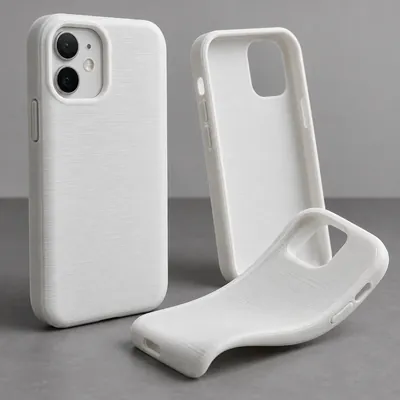
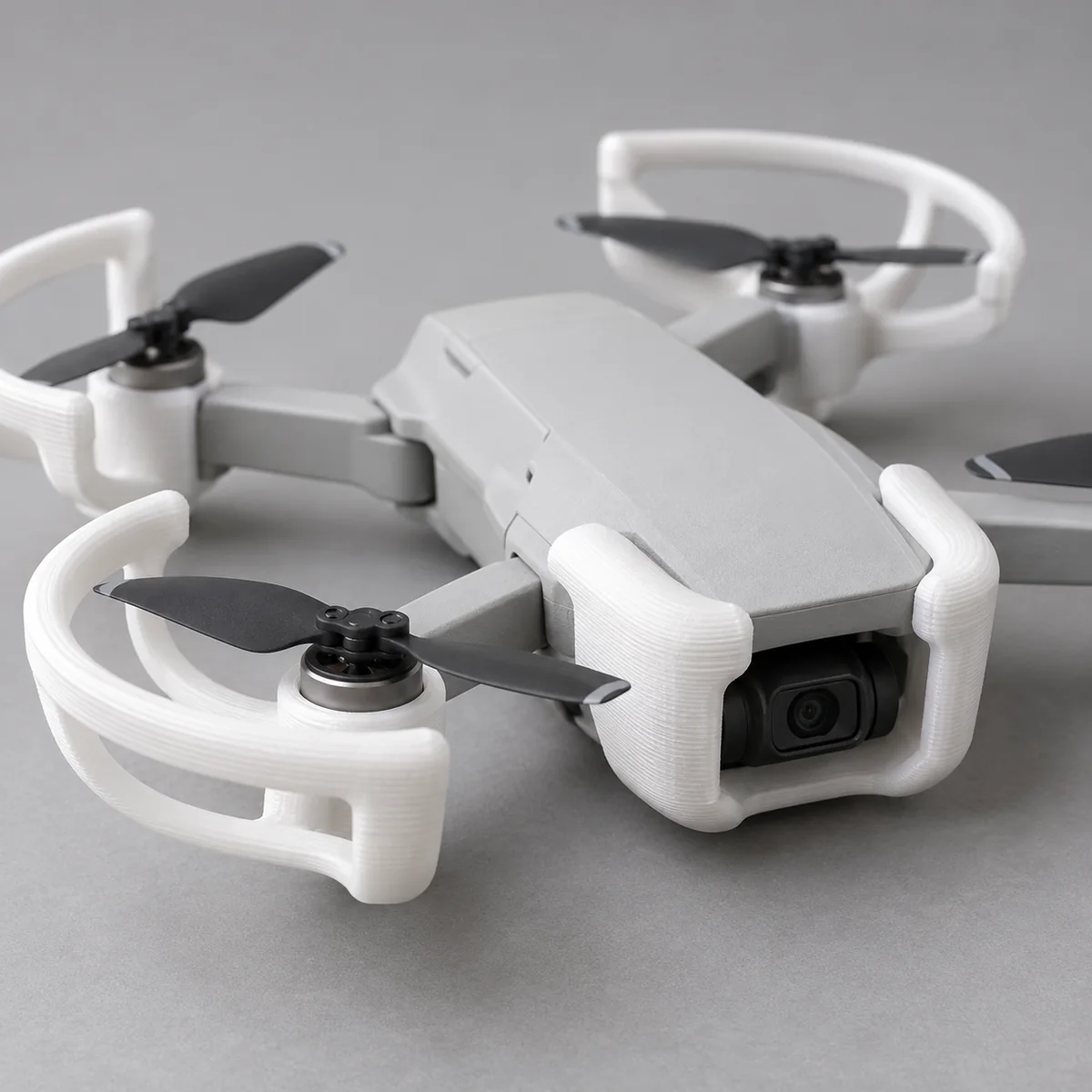
Illustrative concepts; these images do not establish a printed specimen, comfort, durability or fitness for use.
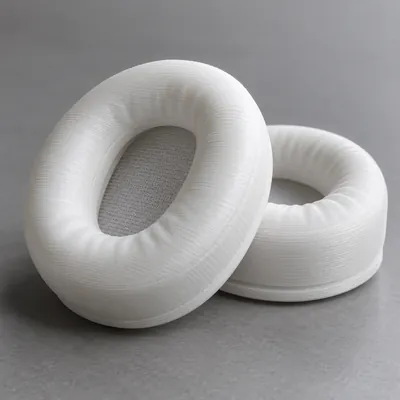
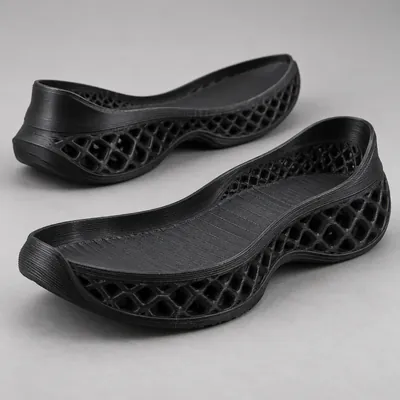
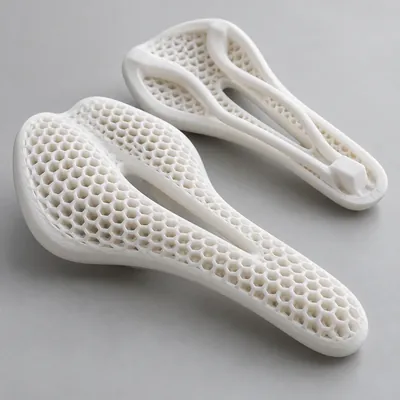
Explore for headphone cushions · wearables and straps
Stock confirmation required
External spool
Explore for rc tyres · watch straps
Stock confirmation required
External spool
Explore for phone cases · drone bumpers
Stock confirmation required
External spool
Explore for shoe midsoles · lattice cushioning
Stock confirmation required
External spool
Explore for bike saddles · skate and wheel parts
Stock confirmation required
AMS lite only
2026-09-08: Replaced universal drying and performance claims with shared diagnostic workflows, model-specific feeder limits and explicit supplier-data status.
What Shore hardness means for 3D printing, how each TPU grade feels, which extruder it needs and which parts each grade is for.
4 min read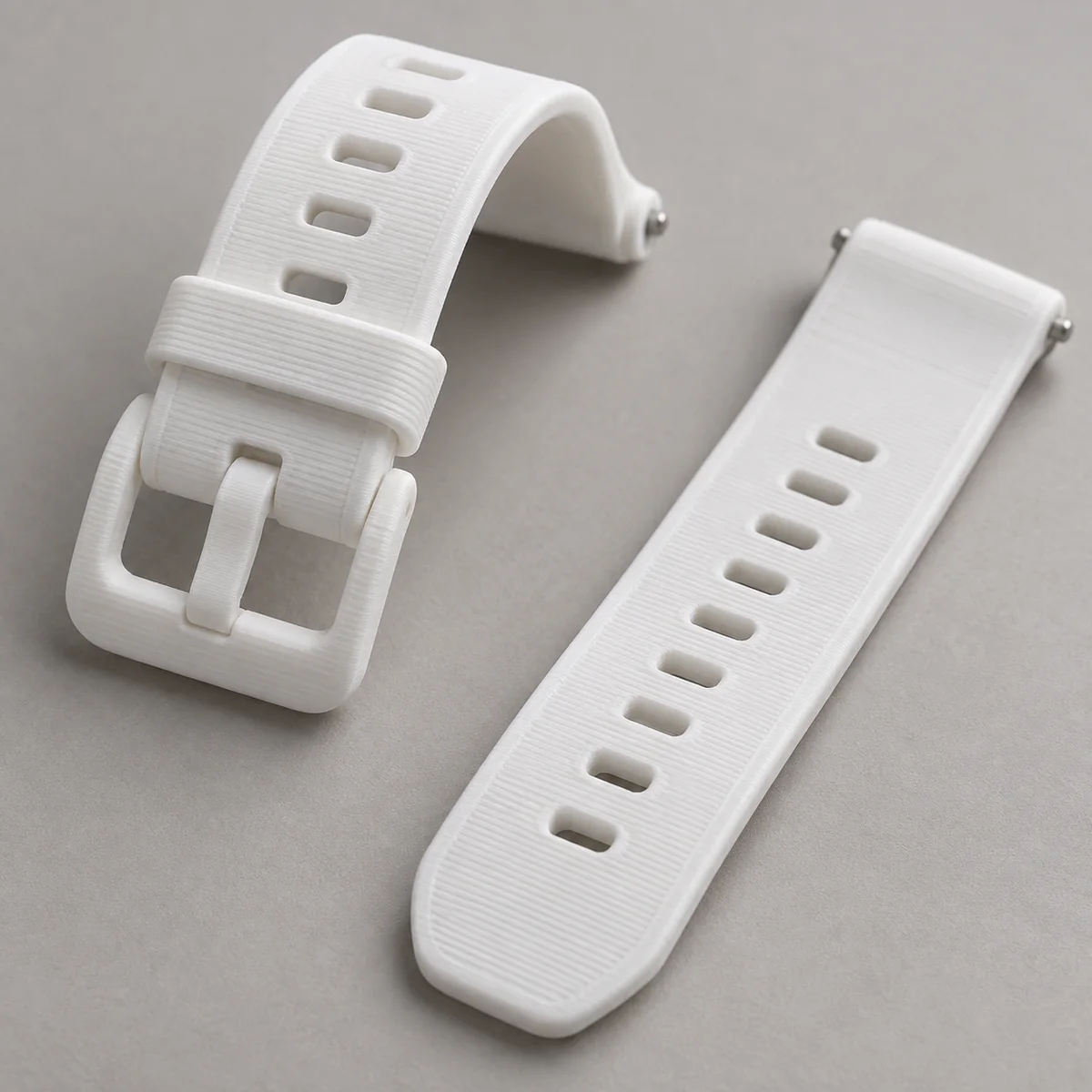
Step-by-step TPU settings for direct-drive and Bowden printers: temperature, speed, retraction, drying and bed prep.
4 min read
Diagnose wet filament, check grade and spool limits, compare drying results and store PLA, PETG, TPU, ASA and engineering materials.
4 min read